
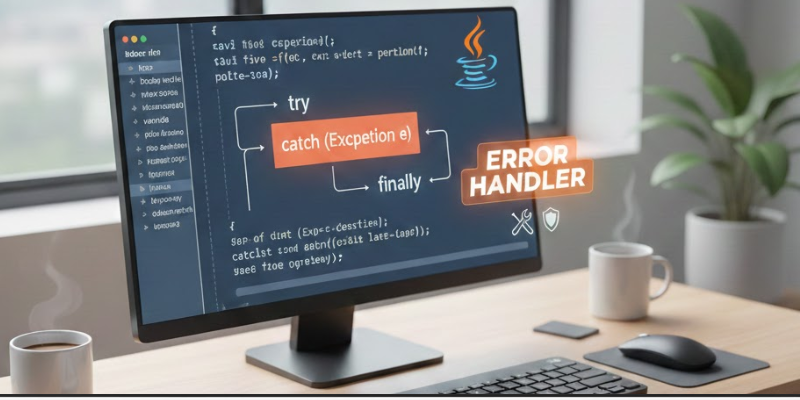
Modern software rarely runs in perfect conditions. Unexpected user inputs, missing files, or network issues can trigger failures at runtime. For beginners aiming to build reliable applications, understanding how Java manages such problems is essential. Learners starting their journey through Java Course in Trichy often realize that handling runtime errors is not just about avoiding crashes, but about writing code that stays stable, readable, and trustworthy in real-world environments.
Understanding Runtime Errors in Java
Runtime errors occur while a program is running, not during compilation. These errors often arise from logical mistakes, invalid data, or system-level issues such as memory shortages. Java identifies these problems as exceptions, allowing developers to respond instead of letting the application stop abruptly. Understanding this difference helps beginners explain clearly in interviews why some errors appear only during execution and how Java is designed to manage them safely.
The Role of the Exception Hierarchy
Java organizes runtime problems using a structured exception hierarchy. At the top is the Throwable class, which branches into Error and Exception. Runtime errors usually fall under unchecked exceptions, meaning the compiler does not force handling them. This structure helps developers identify the nature of an issue quickly and decide whether it should be handled or allowed to propagate. Knowing this hierarchy shows conceptual clarity during technical discussions.
How Try and Catch Enable Control
The try and catch mechanism allows Java applications to detect and respond to runtime errors. Code that may fail is placed inside a try block, while corrective logic goes into catch blocks. This approach prevents sudden crashes and allows graceful recovery. Learners who practice multiple scenarios through Python Course in Erode often find it easier to compare how different languages approach error handling, strengthening overall problem-solving skills.
Using Finally for Resource Safety
Some resources like files or database connections must be closed even when errors occur. Java provides the finally block to ensure cleanup happens no matter what. This guarantees system stability and prevents memory leaks. Understanding this concept is important for real-world projects, where improper resource handling can cause performance issues. Interviewers often test this knowledge by asking how developers ensure cleanup during failures.
Custom Exceptions for Clearer Logic
Java allows developers to define their own exceptions when built-in ones do not clearly describe a problem. Custom exceptions improve code readability and make debugging easier. They also help teams communicate intent through meaningful error names. Professionals preparing for jobs in regional markets often see how Java Course in Erode emphasizes writing clean, maintainable code that other developers can quickly understand and extend.
Logging and Debugging Runtime Issues
Handling runtime errors does not end with catching them. Logging plays a major role in identifying why an issue occurred. Java applications commonly use logging frameworks to record error details without exposing sensitive information. This practice helps developers analyze failures in production environments. Being able to explain how logging supports debugging shows readiness for real software maintenance responsibilities.
Preventive Practices in Error Handling
Good developers aim to reduce runtime errors before they happen. Input validation, defensive coding, and proper testing reduce the chances of unexpected failures. Java’s strong typing and structured exception model support these practices. Understanding prevention strategies helps beginners answer scenario-based questions where interviewers ask how to design applications that fail less often and recover faster when problems occur.
Runtime error handling is a core skill that separates fragile applications from dependable ones. Java’s exception-handling model gives developers the tools to anticipate, manage, and learn from failures. Building this mindset early prepares learners for complex projects and teamwork. Strengthening these fundamentals through Python Course in Trichy helps aspiring professionals become future-ready developers who can confidently handle real-world software challenges.
Also Check: Python: Features And Applications